
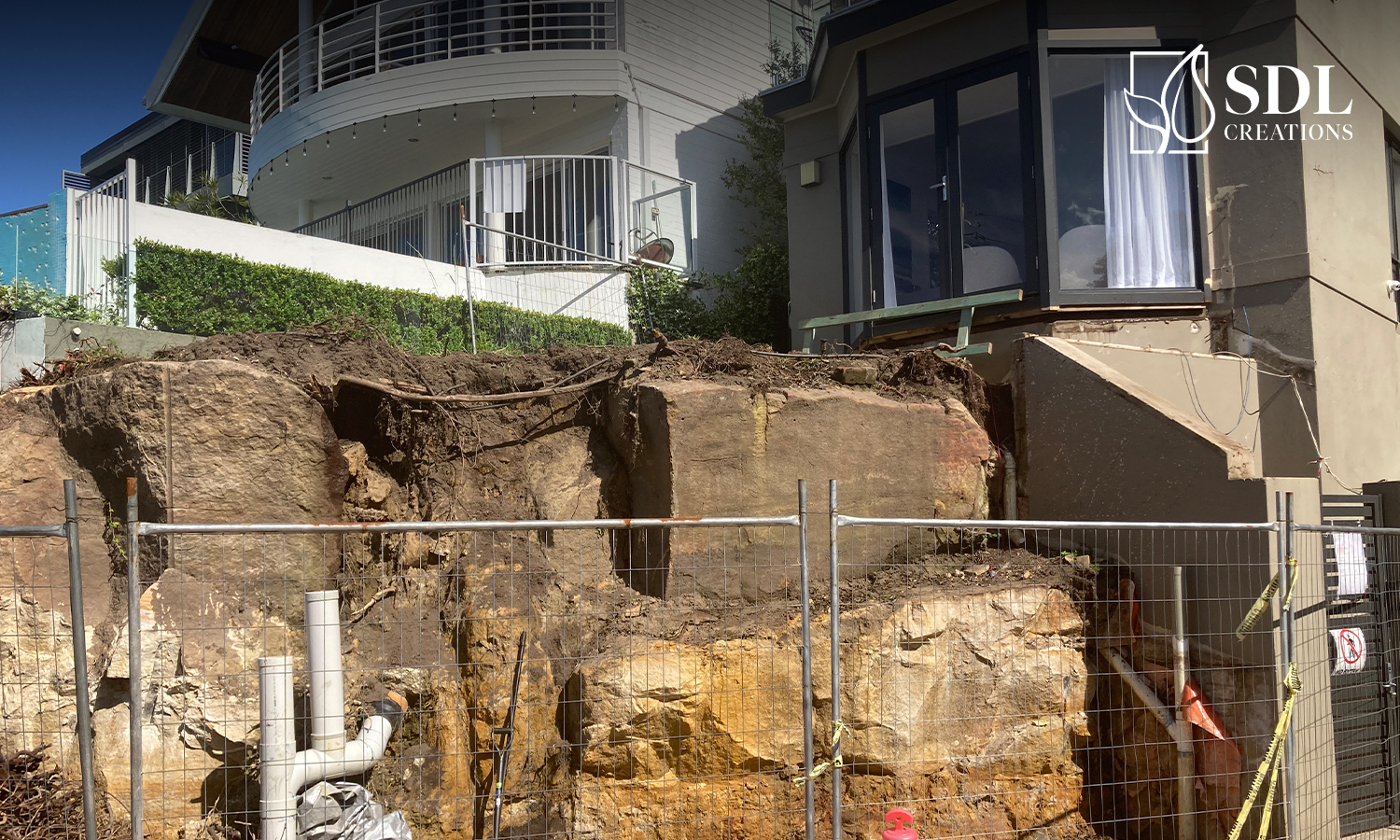
Is Your Yard Trying to Tell You Something?
At first glance, it might just look like a slight slope, a bit of shifting soil or some water collecting after rain. But these small issues are often your yard’s way of warning you that something deeper isn’t right. Over time, you may notice uneven ground, erosion creeping in, or areas becoming harder to use. What seems minor now can quickly turn into a bigger, more expensive problem if ignored.
The good news? With the help of an experienced landscaping service in Sydney, these warning signs can be spotted early and solved with smart, long-lasting solutions like retaining walls; restoring both structure and style to your outdoor space.
Let’s take a closer look at the signs you shouldn’t ignore.
What is a Retaining Wall?
A retaining wall holds back soil and shapes the landscape. These walls are usually made from materials like stone, concrete, or wood. They help prevent soil erosion, create terraced gardens or provide a flat area for outdoor activities. In places like Sydney, where the land can be uneven, knowing when to use a retaining wall is important for keeping your yard safe and looking good.
Signs That Your Yard Needs a Retaining Wall
1. Soil Erosion
If your soil washes away during heavy rain, you might need a retaining wall. Look for signs like exposed roots, bare spots or channels in the ground. These can show that you need a wall to keep the area stable.
2. Unmanageable Slopes
Steep or uneven areas in your yard can make it hard to landscape or use the space. If you struggle to create gardens, paths or patios, a retaining wall can turn sloped land into flat areas, giving you more options for landscaping.
3. Water Accumulation Issues
If water pools in your yard after rain, your drainage might be poor. This can lead to flooding or harm to plants. A retaining wall can help guide water flow, improve drainage and reduce flooding risks.
4. Cracks in Hardscaping
If you see cracks in your foundation, patios or walkways, it may be due to soil movement from erosion or instability. These cracks can lead to costly repairs. A retaining wall can stabilise the soil and lower the chance of future problems.
5. Plant Bed Instability
If your garden beds look uneven or are falling apart, the soil may not be supported well. This can hurt your plants and the overall look of your garden. A retaining wall can provide the needed support to keep your gardens organised and healthy.
6. Aesthetic Considerations
Besides function, retaining walls can improve the appearance of your yard. They can create depth and interest in flat areas. With the right design and materials, a retaining wall can match your landscape and enhance its overall look.
What To Do Next
If you notice signs that your yard needs a retaining wall, follow these steps:
1. Assess Your Yard
Start by examining your yard closely. Identify areas where soil is washing away, slopes are unstable or water issues are visible. Understanding your yard's problems is the first step to fixing them.
2. Consult with Professionals
Search for “landscapers near me” to get expert advice based on real-world experience. They can assess your yard, identify underlying issues and recommend solutions tailored to your specific needs. A professional can also help you choose the right design and materials for your retaining wall, ensuring both durability and visual appeal.
3. Planning and Design
After consulting with professionals, plan the design of your retaining wall. Think about where it will go, how high it needs to be and what materials you want to use. The design should fit well with your yard and meet your needs.
4. Research Local Regulations
Before building, check local regulations or homeowner association rules about retaining walls. In Sydney, you may need permits, especially for taller walls. Following these rules will help you avoid problems later.
5. Choose Appropriate Materials
Pick the right materials for your retaining wall. You can choose from natural stone, concrete blocks or timber. Consider durability, upkeep, and how the materials will fit with your yard design. Each material has its benefits, so choose what works best for you.
6. Construction
Installing a retaining wall is best done by professionals. It requires specific skills for stability and effectiveness. Proper construction involves good drainage and the right base materials. Investing in skilled help will prevent future issues.
7. Regular Maintenance
After your retaining wall is built, plan for regular maintenance. Check drainage, look for wear, and clean the wall. Keeping up with maintenance will help ensure it lasts and functions well over time.
Final Thoughts
If you're considering a retaining wall or any other landscaping improvement, Sydney Design & Landscape Creations is here to help you every step of the way. With over 20 years of experience, we specialise in custom outdoor living spaces, including retaining walls, garden renovations, and more. Our commitment to quality workmanship and collaboration ensures that your vision is brought to life, all while minimising the need for outside contractors to keep your project on track and budget-friendly.
Whether you're in the CBD, North Shore, Inner West or Eastern Suburbs, our dedicated team is ready to transform your outdoor area. Don’t hesitate to reach out for expert advice, planning and construction. Let’s enhance your yard together with beautiful Sydney landscape designs!